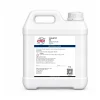
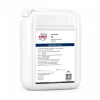
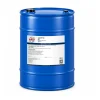
Sodium hydroxide for industrial processes and CIP cleaning
X-Pro Caustic 50 supplies concentrated alkali for chemical manufacturing, industrial pH control, acid neutralisation and alkaline clean-in-place (CIP) cleaning. Sodium hydroxide also serves as a process ingredient in soap and detergent production, textiles, pulp and paper, and refinery operations.
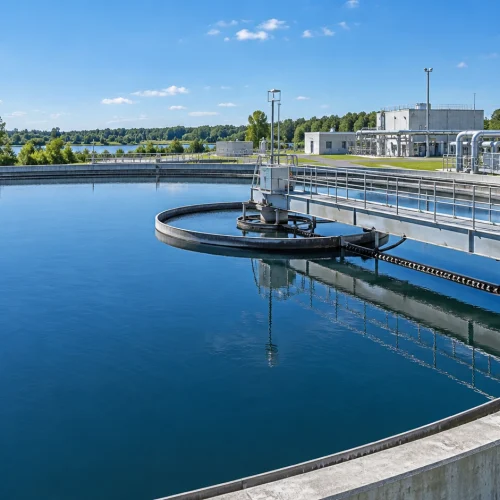
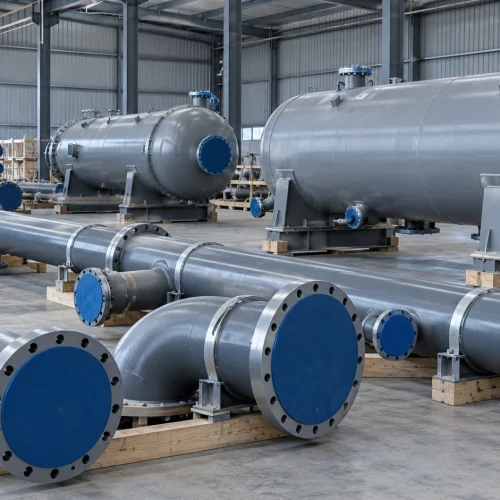
Industries: Chemical manufacturing; Soap & detergents; Water treatment; Textiles; Pulp & paper; Oil & gas / refineries; Power & utilities; Engineering & fabrication; Dairy processing; Beverage production; Brewing.
Key ingredient and specification
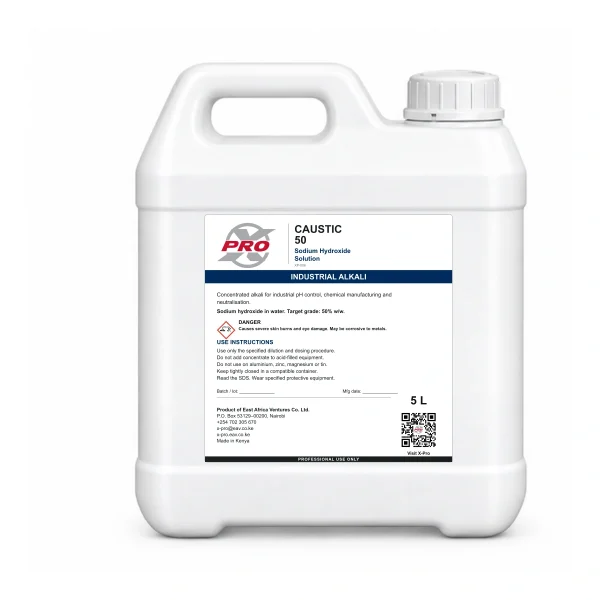
Sodium hydroxide (NaOH) in water. Caustic 50 denotes a target concentration of 50% by mass: 50 kg of sodium hydroxide per 100 kg of solution. This is the supply-grade basis, not a working dilution.
Application requirements: Check the supplied grade specification and assay information for sodium hydroxide strength and purity, and follow the equipment-specific dilution and dosing procedure.
Applications
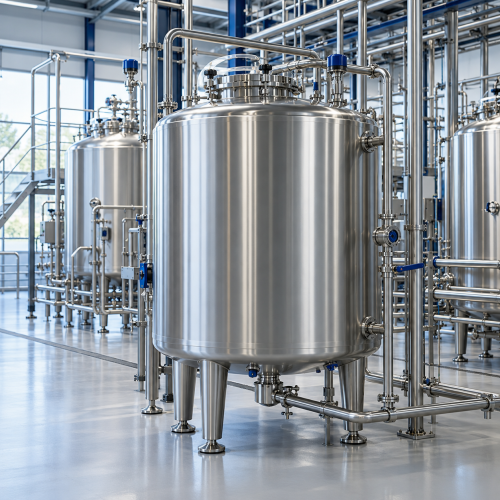
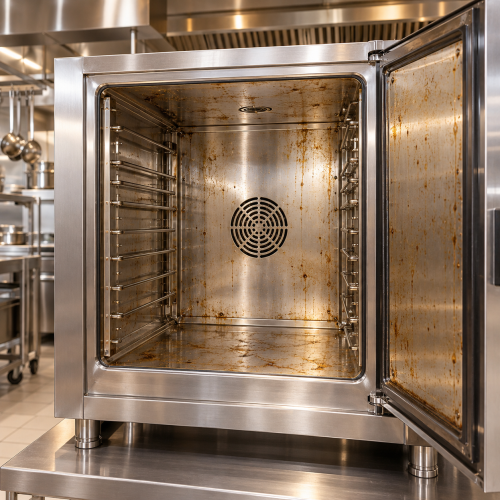
- CIP cleaning: an alkali source for removing organic product residues from dairy, beverage and brewery tanks and pipework approved for caustic cleaning.
- Chemical manufacturing: an alkali raw material for neutralisation and other specified production processes.
- Soap and detergents: an ingredient for soapmaking and alkaline cleaning formulations.
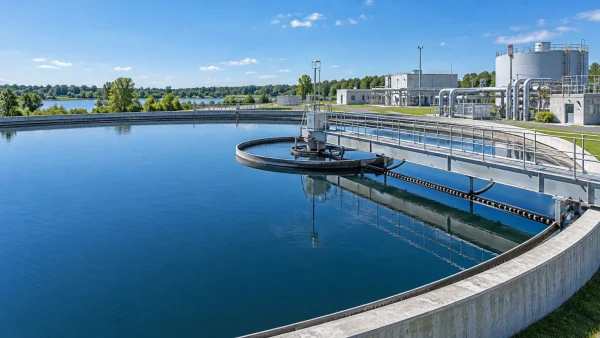
- Industrial water treatment: pH adjustment and regeneration of alkali-regenerated ion-exchange resins, using the equipment supplier’s specified grade and procedure.
- Textiles, pulp and paper: alkalinity for the specified processing or treatment stage.
- Refinery operations: alkali for specified process-treatment and pH-control duties.
- Post-acid cleaning: a controlled dilute rinse to neutralise residual acid in ordinary carbon-steel equipment after draining and initial water rinsing.
CIP cleaning
Use Caustic 50 as the alkali source in the cleaning stage of a clean-in-place programme. It contains sodium hydroxide and water, without added surfactants or hard-water-control ingredients. Where these extra cleaning functions are needed, use a formulated cleaner such as FastClean 101 or a separate caustic-additive programme.
Follow the specified dilution, circulation time and temperature for the equipment. The concentrate is not a ready-to-use wash. Use only in equipment approved for caustic cleaning, including its seals and hoses.
After cleaning, rinse surfaces that contact food thoroughly with potable (drinking-quality) water. Before restarting production, complete your site’s checks for remaining cleaning chemicals.
Cleaning and sanitation are separate stages. Follow your site’s sanitation procedure after cleaning and rinsing.
After acid cleaning
Following an acid cleaner such as X-Pro ScaleBreak or X-Pro RustBreak, collect the spent cleaner and complete the initial rinse. Use only the specified alkali dilution and procedure; do not add concentrate to acid-filled equipment.
Complete final rinsing and proceed promptly to the specified commissioning, drying or protection step. Caustic 50 has no added corrosion inhibitor and does not provide passivation or storage protection.
Materials and safe handling
The post-acid rinse application is limited to ordinary carbon steel with suitability confirmed for the job. Other metals, seals and coatings require specific assessment. Do not use this caustic-rinse procedure on aluminium, galvanised steel, zinc, magnesium or tin.
Corrosive: causes severe skin burns and eye damage. Dilution and neutralisation release heat. Follow the SDS and specified handling, dilution and dosing procedure.
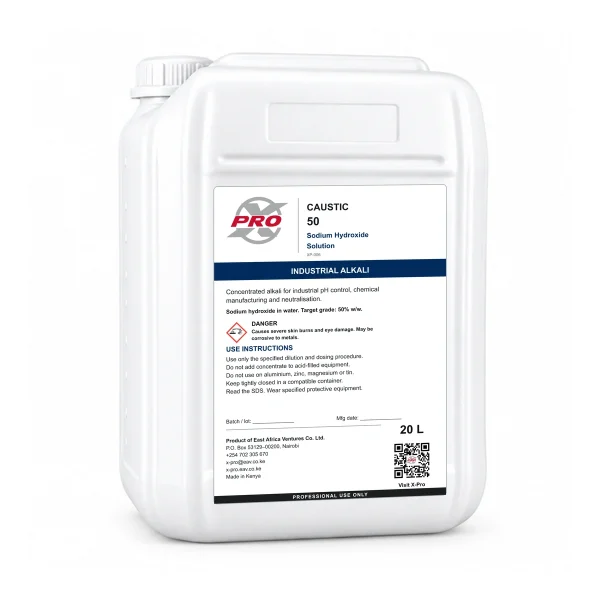
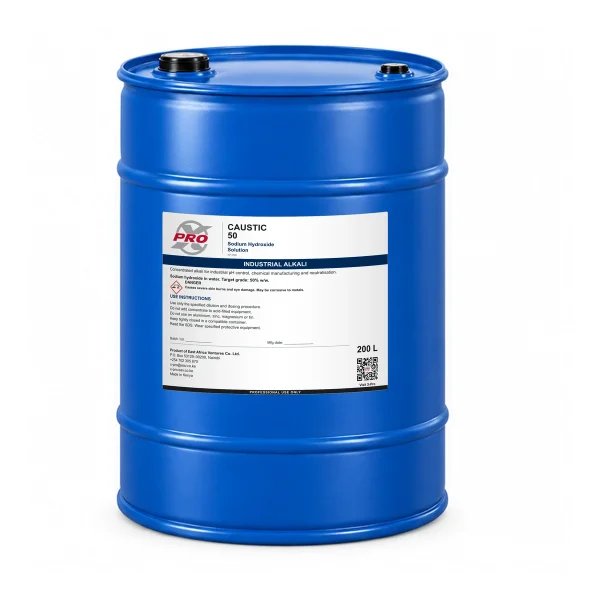
Choose your pack
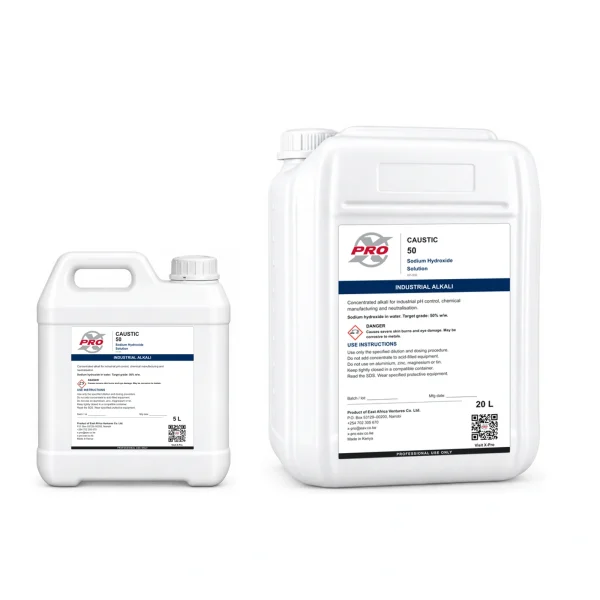
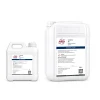
Select 5 L, 20 L or 200 L, choose the quantity and add it to your basket using the pack options above.
Need application support? Contact X-Pro for application support.
Frequently asked questions
Can Caustic 50 be used for CIP cleaning?
Yes. It provides alkalinity for a suitable CIP cleaning programme. It is concentrated sodium hydroxide in water, not a ready-to-use wash or a complete detergent. Some programmes also need wetting, hard-water control and other cleaning functions.
Can it be used directly on food or in drinking water?
The CIP application is for cleaning equipment, followed by thorough rinsing. It does not authorise direct food treatment or drinking-water treatment; those uses need their own suitable grade and instructions.
Can it treat bulk spent acid?
Bulk spent-acid neutralisation requires a separate procedure for heat, mixing, contaminants, solids and disposal. A neutral pH does not confirm removal of salts or metals or permit discharge.
Does 20 L mean 20 kg?
No. Litres measure volume; kilograms measure mass. Solution density and temperature determine the net mass.
Request a quote
Tell us your preferred pack size and quantity.