Stainless-steel pickling for weld heat tint and oxide scale
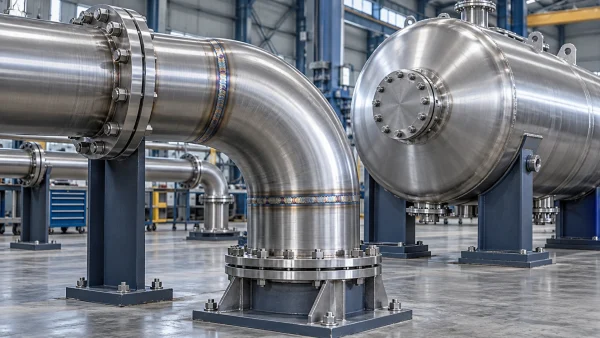
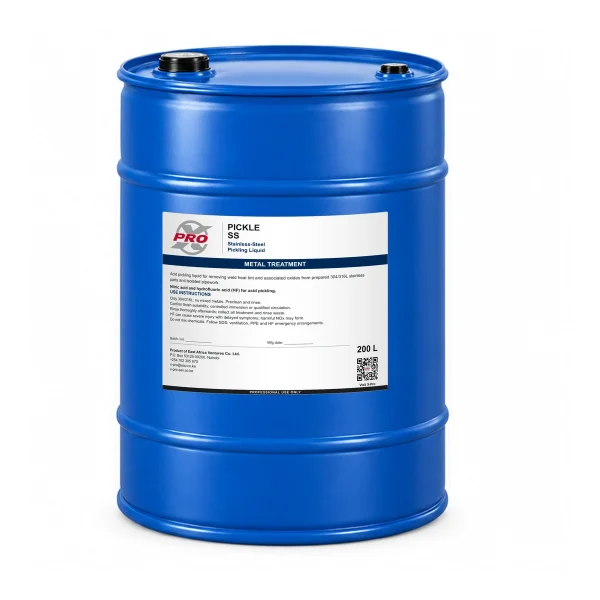
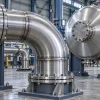
X-Pro Pickle SS is an acid liquid concentrate for removing weld heat tint and oxide scale from precleaned 304 and 316L stainless-steel parts and isolated stainless pipework. Heat tint is the blue, brown or other discoloration left around a weld. Its nitric-acid and hydrofluoric-acid system addresses the oxide-covered surface left by welding and fabrication, preparing it for rinsing, inspection and any separately specified passivation.
Industries: Oil & gas — stainless pipework and equipment; Chemical manufacturing; Engineering & fabrication; Power & utilities.
Application requirements: Use a qualified pickling procedure for the exact stainless-steel grade, surface finish and treatment equipment.
Key ingredients
Nitric acid and hydrofluoric acid (HF). Hydrofluoric acid helps remove adherent oxides and the affected surface beneath them. Nitric acid provides the oxidising acid environment for the pickling treatment. Controlled exposure is essential: excessive treatment can etch or pit stainless steel and change its finish.
Applications
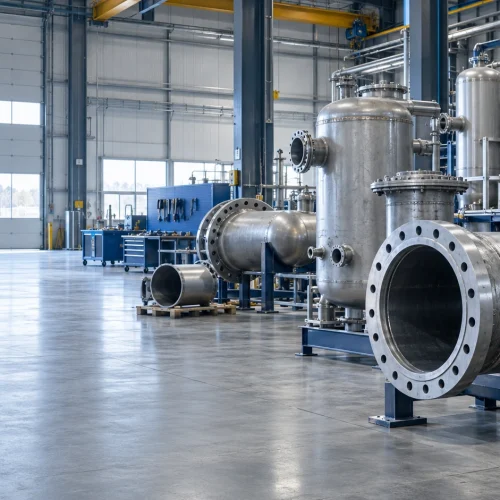
- Fabricated parts and pipe spools: immersion treatment of prepared 304 or 316L components after welding and before final surface acceptance.
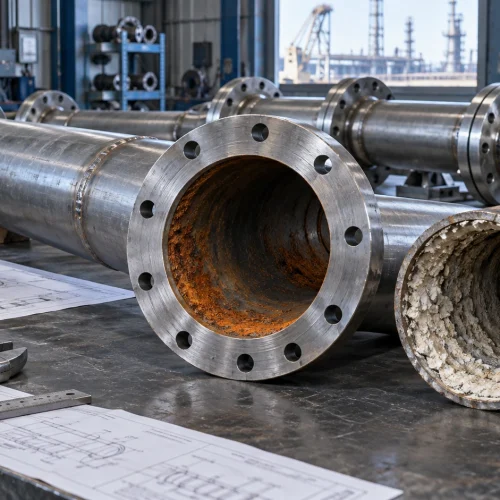
- New stainless pipework: removal of accessible internal weld heat tint by controlled circulation through an isolated circuit whose complete wetted materials are compatible.
- Repair and replacement work: pickling of isolated, decontaminated stainless sections after welding, followed by thorough rinsing and the specified return-to-service checks.
Pickle SS is a liquid for controlled immersion and qualified circulation. It is not a brush-on gel or a spray product. It does not replace removal of oil, grease, weld slag or fabrication defects, and is not a general-purpose remover for every process deposit.
Preparation, treatment and rinsing
Remove oil and grease before pickling, then rinse thoroughly. X-Pro Degreaser NC LF may be assessed for this separate precleaning step. Do not mix it into Pickle SS.
Use a qualified procedure covering the exact alloy and finish, concentration, temperature, contact time, circulation equipment, ventilation and rinse endpoints. Monitor acid balance and dissolved-metal loading; pH alone is not a bath-control method. Replenishment must follow the specified procedure rather than repeated additions based only on appearance.
After treatment, recover the pickling liquid, rinse all surfaces and low points thoroughly, and check the agreed surface and rinse criteria. A separate passivation step may be required by the equipment specification. X-Pro Passivate SS uses citric acid for free-iron removal from prepared stainless steel; it does not replace pickling where heat tint or adherent scale remains.
Materials and handling
For assessed 304 and 316L stainless steel. Do not use on carbon steel, cast iron, aluminium, galvanised surfaces, copper/brass, coated surfaces or mixed-metal circuits. Other stainless grades, polished finishes, seals, linings, instruments and temporary treatment equipment require separate assessment. Pickling may alter the surface appearance.
Specialist use only: contains hydrofluoric acid, which can cause severe injury with delayed symptoms. Nitric-acid pickling can release harmful nitrogen-oxide gases (NOx). Use only with the specified ventilation, protective equipment and HF emergency arrangements, following the safety data sheet and site procedure. Do not mix with other chemicals.
Collect spent solution and rinse water for controlled treatment or disposal. Acid, fluoride and dissolved metals must all be addressed; neutral pH alone does not make the waste suitable for discharge.
Pack sizes
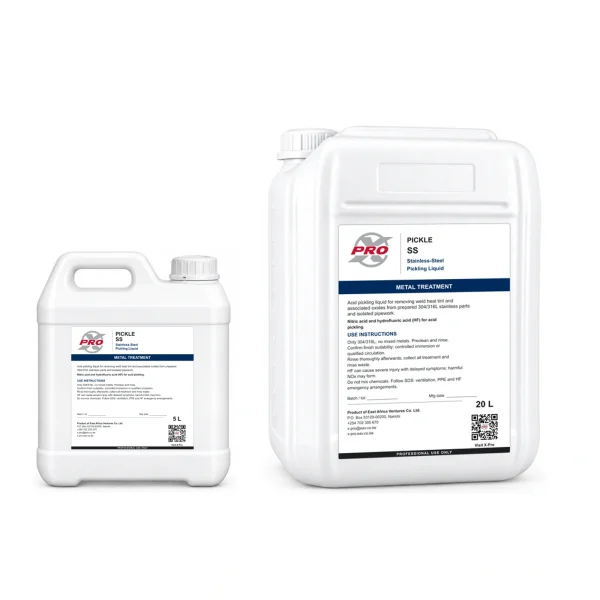
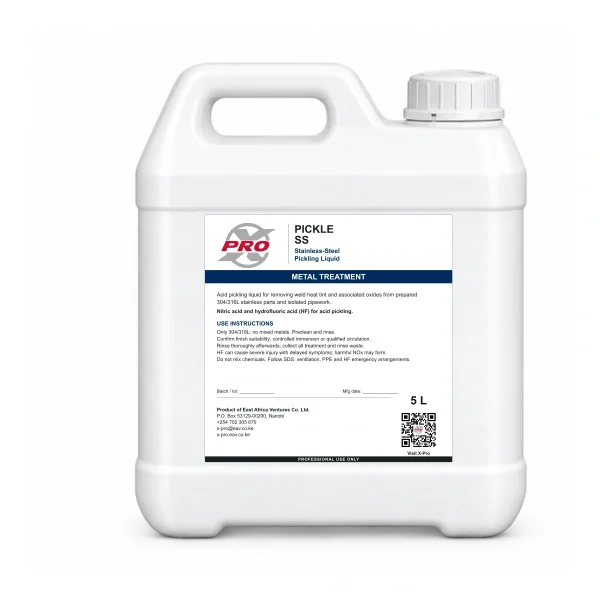
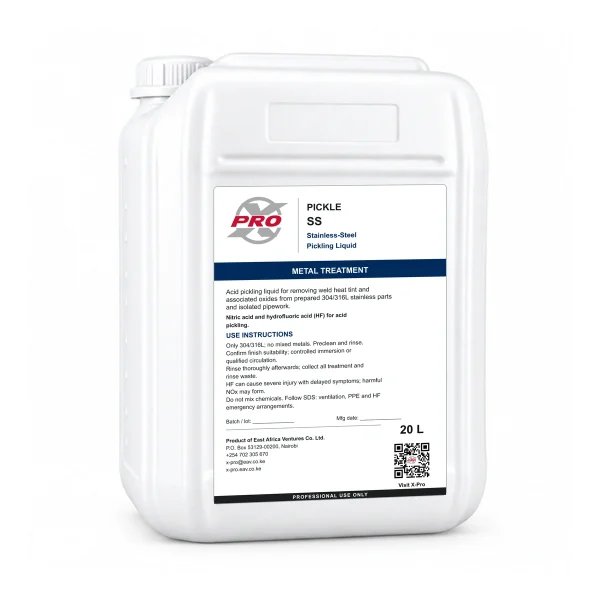
5 L, 20 L and 200 L.
Manufacturing and application support
X-Pro draws on industrial chemical formulation and manufacturing experience to match treatment chemistry to the equipment and task. Application support covers surface preparation, materials, treatment controls, rinsing and the next stage of commissioning or maintenance.
Frequently asked questions
How is pickling different from passivation?
Pickling removes weld heat tint, oxide scale and a thin affected surface layer. Passivation addresses an already prepared surface, including contaminant free iron. Select the sequence for the specified surface condition; adding a passivation step does not compensate for incomplete oxide removal.
Why use nitric acid and hydrofluoric acid?
The combination provides acid pickling for adherent stainless-steel oxides. It also requires specialist HF and gas-exposure controls. Nitric-acid-free bath systems are an alternative, but some still contain HF and require separate oxidiser control. Choose the complete treatment programme for the job, available controls and waste arrangements.
Can I brush it onto an exterior weld?
No. This liquid grade is for controlled immersion and qualified circulation. Local exterior welds may need a separately specified gel or another suitable finishing method.
Will it preserve a polished finish or prevent future corrosion?
Pickling can change appearance and roughness; it is not a storage-preservation treatment. The treatment must meet the agreed surface criteria, followed by the required rinsing, passivation or other handover steps.
Request a quote
Tell us your preferred pack size and quantity.